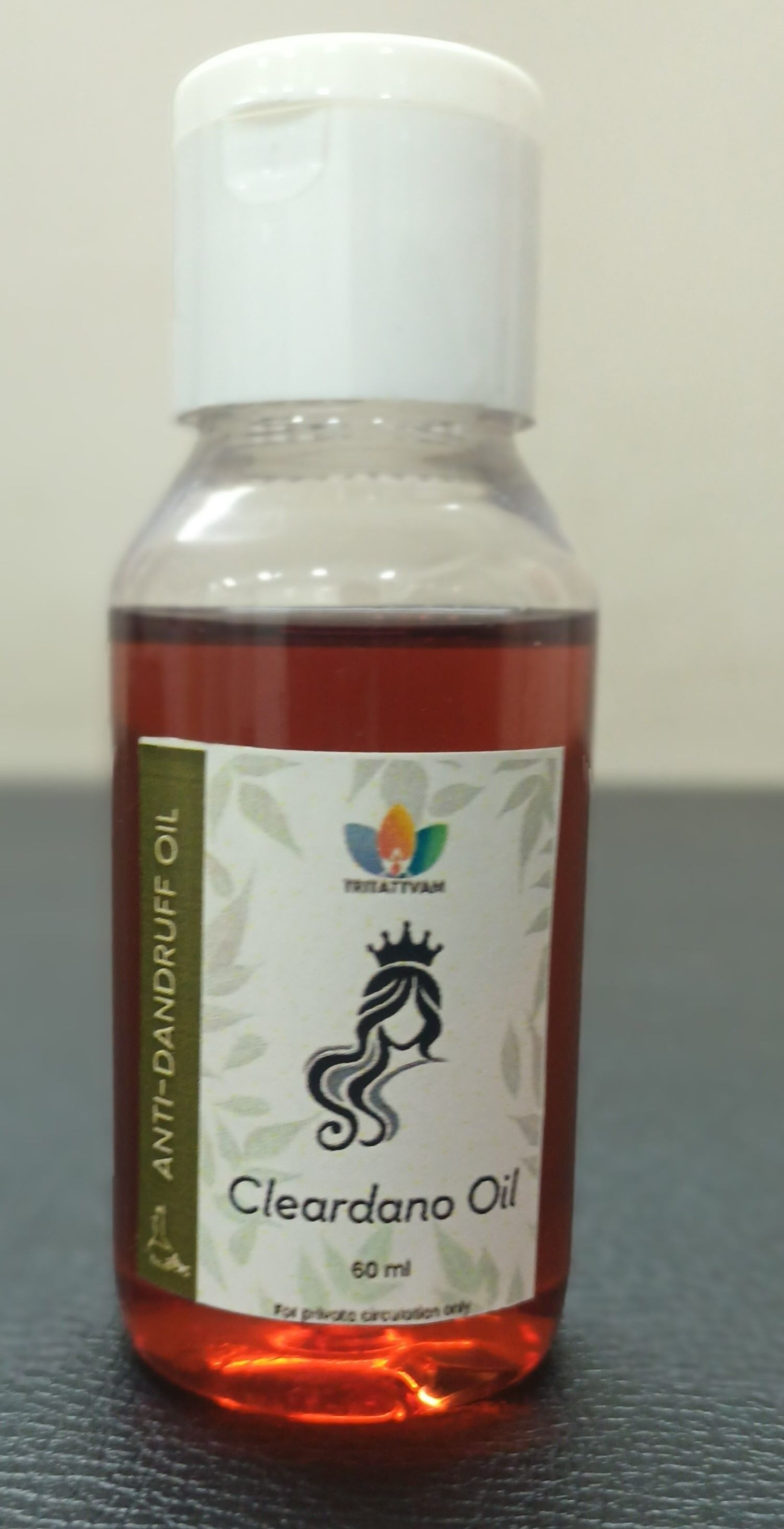
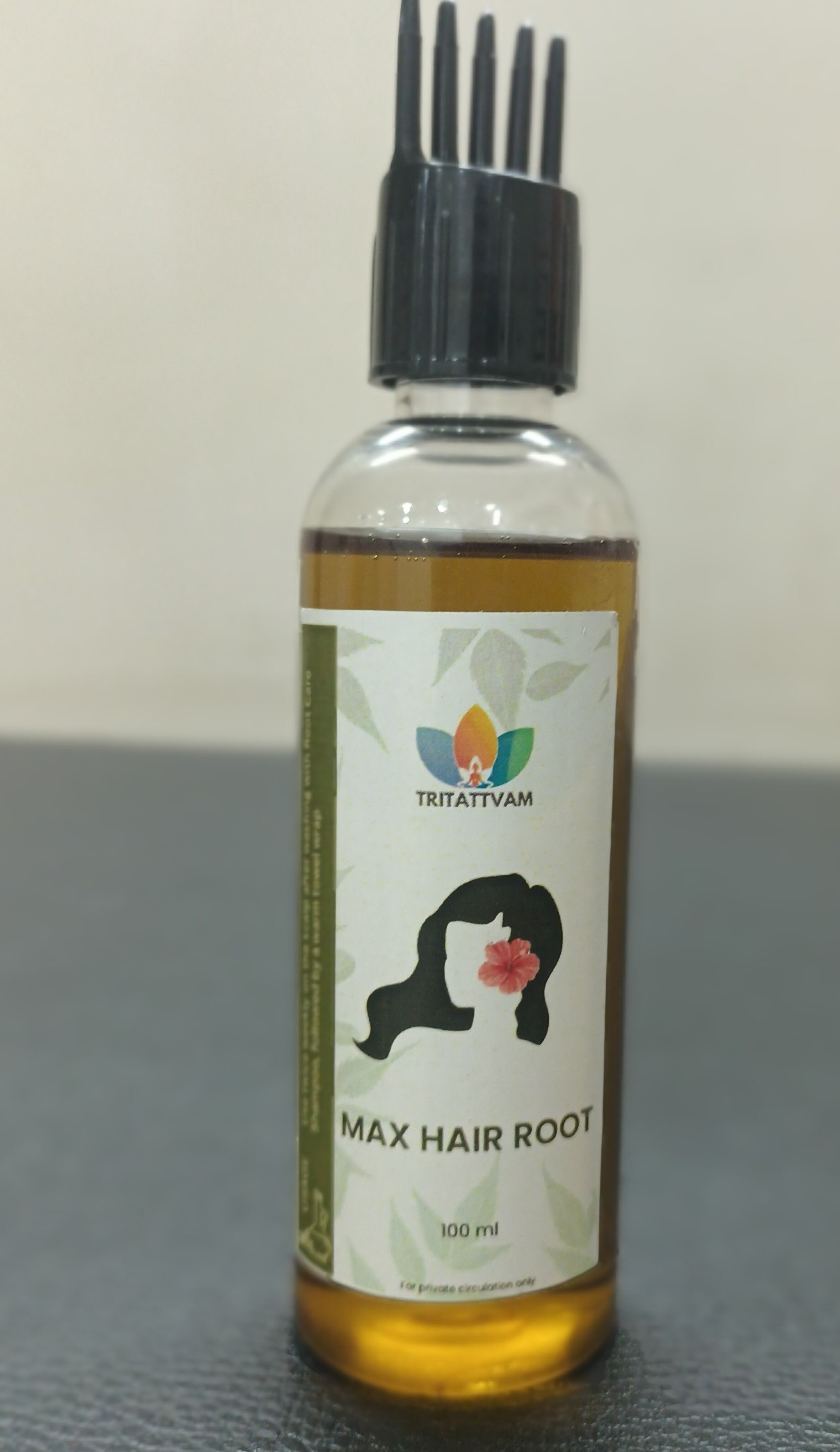
A product name and an Ayurvedic clinic listing do not prove that Max Hair Root Oil is a licensed Ayurvedic medicine or routinely stocked in Mumbai. You will be able to verify its classification, assess whether it suits your scalp problem, use it more safely, and know when a hair-loss evaluation matters more than choosing an oil.
Key takeaways
- Check the manufacturer, batch number, ingredients and Ayurvedic licence details.
- Do not apply oil to an infected, painful or severely inflamed scalp.
- Sudden or patchy hair loss needs medical assessment, not oil alone.
- Ask a Mumbai practitioner to assess your scalp, diet and health history.
How to verify whether Max Hair Root Oil is an Ayurvedic medicine in Mumbai
A label or Mumbai availability alone does not establish that Max Hair Root Oil is an Ayurvedic medicine. Mumbai has no single official city-wide list called “Ayurvedic medicines in Mumbai,” so verify the product itself rather than relying on search wording or clinic advertising.
1. Read the complete, current package. Record the product name, manufacturer’s name and full address, stated purpose, net quantity, complete botanical ingredient list with plant names, formulation method, batch number, manufacturing date, expiry date or shelf life, storage instructions, and directions for use.
2. Check the regulatory details. Ask for the applicable Ayurvedic, Siddha and Unani drug licence information, including the licence number, product category, and issuing authority. If the package omits these details, ask the manufacturer or seller for written confirmation and quality-testing information.
3. Classify what you are being offered. A product stocked by a clinic is inventory; it is not automatically prescribed for you. A product prescribed within an individualized treatment plan is different from a cosmetic hair oil sold for shine, fragrance, conditioning, or reduced dryness.
The stated purpose, therapeutic claims, ingredients, formulation, and licence category matter more than “Ayurvedic” in the name.
The phrase “max hair root oil for ayurvedic medicines in mumbai” proves neither licensing nor current stock. Treat “max hair root oil” as unverified until the package and applicable licence records support its classification.
What to check before applying the oil to your scalp or hair
Do not invent a dose when the directions for max hair root oil are unavailable. Read the current package and ask a qualified practitioner whether it is intended for the scalp, the hair shaft, or both; a product used as one of the ayurvedic medicines for hair is not automatically risk-free.
1. Check the complete ingredient list before opening the bottle. Look for fragrance, essential oils, and botanicals that have caused you reactions before. Confirm the manufacturer, expiry or shelf-life date, storage instructions, and any warning for pregnancy, children, allergies, or medicines you take. “Natural” does not mean harmless.
2. Patch-test a small amount on a limited area as directed on the label or by a practitioner. Do not apply it to broken, inflamed, infected, or tender skin. Avoid the face and hairline if you have acne or folliculitis, because an oily product can worsen blocked or irritated follicles.
3. If approved for use, part the hair and place a small quantity on several scalp areas. Massage gently with your fingertips without scratching. Confirm how long to leave it on, whether shampoo removal is required, how often to apply it, and whether heat or overnight use is appropriate.
4. Keep the oil away from your eyes. Rinse promptly if contact occurs. Stop using it after burning, swelling, a rash, or worsening itch; seek medical care for a persistent reaction, spreading swelling, or severe symptoms. Ask for individual advice during pregnancy, for a child, or when the ingredient list is incomplete.
Which hair-loss and scalp conditions need more than a topical oil
An oil is a comfort measure when your scalp feels dry but has no marked redness, scale, pain, or progressive hair loss. Max Hair Root Oil, like other ayurvedic medicines for hair, cannot be assumed to treat every cause of shedding or scalp disease.
| Condition | Clues | Why an oil is not enough |
|---|---|---|
| Dry scalp | Tightness, fine powdery flakes, little inflammation | Moisturising may improve comfort |
| Dandruff or seborrheic dermatitis | Greasy white or yellow scale, itch, redness | Often needs targeted antifungal or anti-inflammatory care |
| Psoriasis or inflammatory disease | Thick plaques, marked scale, bleeding, pain | Requires examination and condition-specific treatment |
| Fungal infection | Broken hairs, round patches, scale, pustules, or swollen nodes | Needs diagnosis and antifungal treatment |
| Telogen effluvium | Diffuse shedding after illness, childbirth, major stress, weight loss, or dietary change | Find and correct the trigger |
| Androgenetic alopecia | Gradual patterned thinning or widening part | May need evidence-based hair-loss treatment |
| Traction alopecia | Loss along tight hairstyles or extensions | Remove traction promptly; longstanding damage can scar |
| Alopecia areata or shaft breakage | Smooth patches, eyebrow loss, or short broken hairs | Requires assessment to distinguish follicle disease from fibre damage |
Seek medical assessment for sudden patchy loss, rapid shedding, pain, redness, pus, marked scaling, shiny or scarred skin, or loss of eyebrows, eyelashes, or body hair. Delayed care for scarring alopecia can permanently destroy follicles. Do not let oil replace examination or targeted treatment.
What a hair-oil consultation in Mumbai should establish
A useful hair oil consultation in Mumbai begins with the problem, not the product name. Before recommending Max Hair Root Oil or another option, the practitioner should establish whether shedding is recent or long-standing, diffuse or patchy, and how much hair you are losing.
- Record recent illness, childbirth, major stress, diet or weight change, current medicines, family history, and menstrual or hormonal history where relevant.
- Ask about itching, pain, redness, flakes, scaling, sores, and other scalp symptoms. Record shampoos, oils, styling products, chemical straightening or colouring, tight hairstyles, extensions, braids, and other traction practices.
- Examine the scalp and hair pattern for inflammation, breakage, widening of the part, patches, or scarring. The examination may show that oil is unsuitable as the main treatment.
- State the goal precisely: scalp comfort, reduced dryness and friction, improved hair feel or shine, or treatment of a diagnosed disorder. These outcomes are not evidence of new follicle growth.
Laboratory tests should answer a clinical question. A practitioner may select tests when your history or examination suggests iron deficiency, thyroid disease, nutritional deficiency, or hormonal disease; indiscriminate testing does not replace diagnosis. That process distinguishes ayurvedic medicines for hair from a cosmetic oil chosen by marketing language.
TRITATTVAM AYURVED can be considered as a Mumbai provider of individualized Ayurvedic assessment, but confirm directly whether it currently stocks, dispenses, or prescribes Max Hair Root Oil. A product’s discussion on a clinic website does not establish availability or licensing.
Related service
PRODUCTS ₹400 Herbal hair oil for dry scalp, Nourish scalp and hair follicles, Regrowth of hair, Rejuvenate lusture of hair shaft, prevents Greying of hair View service → |
How to make a responsible decision about Max Hair Root Oil
Before buying max hair root oil for ayurvedic medicines in mumbai, complete four checks before deciding to buy, use, or decline it:
1. Confirm the current package and applicable Ayurvedic, Siddha, or Unani drug licence information. Obtain the complete ingredient list with botanical names, batch number, expiry date or shelf life, storage conditions, net quantity, directions, manufacturer name, and full address. Do not rely on an undisclosed composition.
2. Match the stated purpose to your diagnosed problem. An oil intended for dryness, friction, or scalp comfort is not evidence of treatment for follicle loss. A hair oil consultation in mumbai should clarify whether the goal is less itch, reduced dryness, improved shine, or confirmed follicle regrowth; these outcomes are not interchangeable.
3. Agree on a measurement plan. Photograph the scalp in consistent lighting, record shedding and irritation, and review progress on an agreed date. Do not increase application frequency or leave-on time yourself when results disappoint.
4. Ask how the manufacturer tests quality, including controls for lead, mercury, and arsenic. Some Ayurvedic products have raised heavy-metal concerns; this does not show that Max Hair Root Oil contains any of them.
Panchakarma is not a universal first-line treatment for hair loss. Any proposed programme needs a specific indication, expected benefits, risks, preparation, and alternatives before you consent.
Frequently asked questions
How can you verify whether Max Hair Root Oil is an Ayurvedic medicine in Mumbai?
Mumbai has no single city-wide list of Ayurvedic medicines. Check the bottle for the manufacturer’s name and address, batch number, manufacturing date, expiry date, ingredient list, and Ayurvedic medicine licence details. Ask the seller or manufacturer for documents when the label is incomplete.
What should you check before applying Max Hair Root Oil?
Read the full ingredient list, expiry date and directions. Do not use the oil on broken skin or a scalp with pus, severe redness or intense pain. Stop if burning, swelling, rash or worsening itching develops, and seek medical advice.
When does hair loss need more than a topical oil?
Seek assessment for sudden shedding, round bald patches, rapidly widening parting, scalp scaling, pain, pus or scarring. Hair loss linked to thyroid disease, iron deficiency, hormonal changes, medicines or autoimmune conditions requires attention to the underlying cause.
What should a hair-oil consultation in Mumbai establish?
A consultation should document the pattern and duration of hair loss, scalp symptoms, diet, recent illness, stress, medicines, family history and hair-care practices. The practitioner should explain whether topical oil fits the problem and when testing or referral is needed.
Keywords